
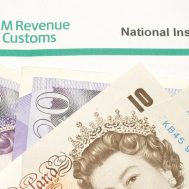
Class 4 NICs who is liable?


There are two types of National Insurance Contributions (NICs) payable by most self-employed people. These are known as Class 2 NICs and Class 4 NICs. Class 2 NICs are paid by all self-employed taxpayers unless they qualify for the small earnings exception or other exemptions which remove the necessity to pay NICs. Class 2 NICs are payable at a flat weekly rate.

In addition, most self-employed people are also required to pay Class 4 NICs. Class 4 NICs are payable (as well as Class 2 NICs) if profits are £8,424 or more a year. Class 4 NIC rates for the tax year 2018-19 are 9% for chargeable profits between £8,424 and £46,350 plus 2% on any profits over £46,350.

A number of categories of people are exempt from paying Class 4 NICs, these include:

  • People under the age of 16 at the beginning of the year of assessment.
  • People over State pension age at the beginning of the year of assessment. A person who attains State pension age during the course of the year of assessment remains liable for Class 4 NICs for the whole of that year.
  • Trustees, guardians etc, of an incapacitated person are exempted from Class 4 NICs on that income.

The Class 4 NIC rate is substantially lower than the corresponding rate for employees who pay National Insurance at 12% on the same income levels. Both the employed and self-employed pay 2% National Insurance contributions on income above the higher rate threshold.



Checking your NIC records


HMRC offers an online service to check your National Insurance Contributions (NIC) record online. In order to use the service, you will need to have a Government Gateway account. If you don’t have an account, you can apply to set one up online.

By signing in to the ‘Check your National Insurance record’ service you will also activate your personal tax account if you haven’t already done so. The personal tax account can be used to complete a variety of tasks, from updating an address, managing your child benefit and completing your Self Assessment return.

Your National Insurance record online will let you see:

  • What you have paid, up to the start of the current tax year (6 April 2018)
  • Any National Insurance credits you’ve received
  • If gaps in contributions or credits mean some years don’t count towards your State Pension (they aren’t ‘qualifying years’)
  • If you can pay voluntary contributions to fill any gaps and how much this will cost

In many circumstances it can be beneficial to make voluntary Class 2 contributions to increase your entitlement to benefits, including the State or New State Pension. Class 2 NICs were due to be abolished from April 2019 but this has now been cancelled.


Checking a National Insurance Record


HMRC offers an online service to check a National Insurance record. In order to use the service you will need to have a Government Gateway account. If you don’t have an account, you can apply to set one up online.

By signing in to the ‘Check your National Insurance record’ service you will also activate your personal tax account if you haven’t already done so. The personal tax account can be used to complete a variety of tasks, from updating an address, managing your child benefit and completing your self assessment return.

Your National Insurance record online will let you see:

  • What you have paid, up to the start of the current tax year (6 April 2018)
  • Any National Insurance credits you’ve received
  • If gaps in contributions or credits mean some years don’t count towards your State Pension (they aren’t ‘qualifying years’)
  • If you can pay voluntary contributions to fill any gaps and how much this will cost.

In many circumstances it can be beneficial to make voluntary Class 2 contributions to increase your entitlement to benefits, including the State or New State Pension. Class 2 NICs were due to be abolished from April 2019 but the government announced last September that the planned abolition of Class 2 NICs has been cancelled.


Taxation of termination payments


In the 2016 Budget, the government announced that termination payments over £30,000 would be subject to employer National Insurance Contributions (NICs) from April 2018. In the 2017 Budget, the government further announced that this change would be delayed for a year with the changes set to come into force from April 2019. A further delay in the implementation of the new rules has now been confirmed, and the introduction of employer NICs on termination payments above £30,000 will now commence from 6 April 2020.

The government had previously confirmed that the £30,000 tax free exemption on termination payments would be retained but that certain payments will no longer fall within the allowance. From April 2020, termination payments over £30,000, which are subject to Income Tax, will also be subject to employer NICs. Non-contractual termination payments of up to £30,000 will continue to remain exempt from Income Tax and employer NICs. The changes will also apply to sporting testimonials of more than the £100,000 lifetime exemption.

It is expected that the any employer NICs due on these termination payments will be collected in ‘real-time’, as part of the employer’s standard weekly or monthly payroll returns and remittances to HMRC.